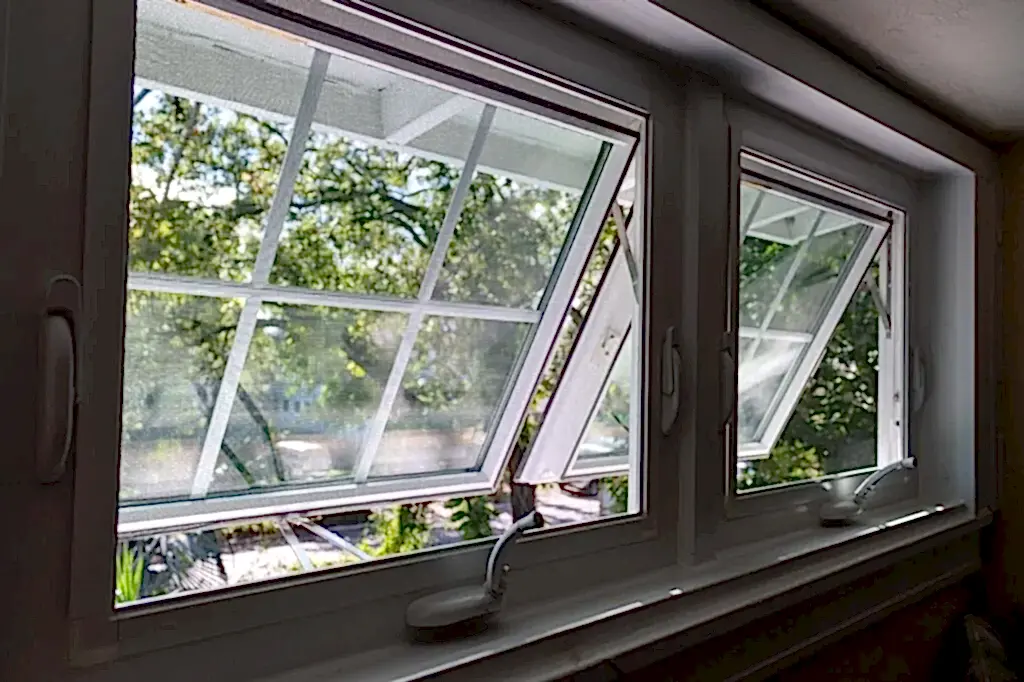
Awning windows open outward from the bottom, creating a protective roof-like canopy. Awning windows pros and cons deliver superior energy efficiency compared to hung or slider windows with identical glass. Their crank mechanism seals tightly against weather, making them ideal for Seattle’s rainy climate. Sound View Window & Door offers professional installation ensuring lasting performance.
Key Takeaways
Awning windows open outward from the bottom, creating a protective roof-like canopy that deflects rain away from the interior.
They deliver superior energy efficiency compared to hung or slider windows with identical glass due to their compression seal.
Their crank mechanism seals tightly against weather, making them ideal for Seattle’s rainy climate.
Awning windows solve Seattle’s most persistent weather challenge by allowing ventilation during drizzle without water damage.
What makes awning windows ideal for Seattle?
Awning windows solve Seattle’s most persistent weather challenge. These units hinge at the top and push outward, creating a small roof over the opening the moment you crank them open. That built-in canopy keeps rain outside while fresh air flows in, a feature that transforms how Puget Sound homeowners use their windows during our long wet seasons. Without this design, ventilation during drizzle becomes a gamble that leaves sills soaked and floors at risk.
How do awning windows handle Seattle rain?
The glass pane itself becomes a shield. Because awning windows open outward from the bottom, the sash angles down like a small awning, deflecting water away from the interior. This makes them genuinely rain resistant windows, not just windows you hope stay dry. Our team at Sound View Window & Door serves homeowners across the greater Puget Sound area, and we see this benefit matter most in kitchens and bathrooms where humidity and condensation already demand smart airflow. Leaving a window cracked during a November shower stops being a risk and becomes routine.
Where does correct installation matter most?
Weathertight performance depends on precision. Awning window placement in exposed walls or upper floors amplifies every installation detail. A slight misalignment in the frame or flashing creates a path for driven rain that the outward-opening design cannot fix. Our team emphasizes correct installation methods to maintain eligibility for manufacturer warranties, protecting your investment from the start. We install these units with the same care we bring to every energy efficient replacement windows project, ensuring the compression seal and hardware perform exactly as engineered. The result is a window that stays dry, operates smoothly, and holds its thermal rating through years of Pacific Northwest weather.

What are the main awning window benefits?
Awning windows deliver superior ventilation and energy efficiency compared to standard hung and slider windows. The top-hinged design pushes outward from the bottom, creating a natural shield that keeps rain out while fresh air flows in.
Awning window benefits start with all-weather ventilation. Because the sash angles away from the house, we can open these windows during a Seattle drizzle without worrying about water damage. That simple geometry transforms a stuffy kitchen or bathroom into a fresh, comfortable space year-round. No other operable window style offers this combination of airflow and rain protection.
Energy efficient replacement windows matter in the Pacific Northwest, and awning windows outperform expectations. When configured with the same standard glass and gas fills, awning windows provide better energy efficiency than hung and slider windows. The compression seal created when the sash closes presses tightly against the frame, reducing air leakage and helping maintain indoor temperatures.
How do awning windows handle rain?
The outward-opening sash acts as a small roof over the window opening. Rain strikes the glass and runs off to the sides, never entering the home. This makes awning windows genuine rain resistant windows for our wet climate.
Which manufacturers does Sound View offer for awning windows?
We supply and install awning windows from trusted manufacturers including Milgard, Andersen, Jeld-Wen, Stile, and Ply Gem. Our team provides free estimates and product recommendations tailored to your design goals, energy targets, and budget. Visit one of our three Puget Sound showrooms to compare options in person.

How do casement vs awning windows compare?
The primary difference between casement vs awning windows comes down to hinge placement and how each window opens. Casement windows hinge at the side and swing outward like a door. Awning windows hinge at the top and push outward from the bottom, creating a small roof over the opening. That roof-like projection is what gives awning windows their name and their most practical advantage in Seattle’s wet climate.
Which window style works better for rainy weather?
Awning windows function as natural rain resistant windows. Because the glass pane angles downward when open, it shields the interior from light rain while still allowing fresh air to circulate. This makes them a smart choice for rooms where you want ventilation even during drizzly Pacific Northwest afternoons. Casement windows lack that overhead protection. When open during rain, water enters more easily unless you close them quickly.
Where should awning windows be placed in a home?
Awning window placement works especially well in bathrooms and kitchens, where privacy and moisture control matter. Their size flexibility also suits any room needing horizontal or vertical orientation. We often recommend placing them above sinks or counters, where reaching a crank is easier than lifting a sash. Casement windows fit better in living areas where an unobstructed view and maximum airflow are priorities.
Our showroom-driven experience lets homeowners compare these styles side by side before deciding. Sound View Window and Door serves Seattle, Bellevue, Kirkland, Redmond, and surrounding communities. We guide you through the trade-offs so your selection matches both your ventilation needs and our region’s weather realities.

Where should you consider awning window placement?
Awning window placement works best in rooms where ventilation matters but weather exposure creates risk. Bathrooms and kitchens top that list. These spaces need fresh air to clear humidity and odors, yet an open window during a Seattle drizzle invites water damage. An awning window solves this directly. The sash hinges at the top and pushes outward, forming a small roof over the opening. Rain strikes the glass and slides off to the sides while air flows freely underneath. This design makes awning windows effective rain resistant windows that stay open during light rain without letting water inside.
Why do bathrooms and kitchens benefit most from awning windows?
Privacy and moisture control drive the advantage here. Bathroom windows often sit above eye level or face neighboring properties. Awning units open outward at an angle that blocks sightlines from the street while still exhausting steam after a shower. In kitchens, placement above counters or sinks keeps the crank handle accessible and the glass panel out of the way. The same rain-shedding geometry protects spice racks and dishware on the sill below.
Beyond these two rooms, the style adapts to any space needing horizontal or vertical orientation. Laundry rooms, hallways, and basements all gain cross-breezes without sacrificing security. The compact sash leaves a narrow gap that resists forced entry better than a fully opened casement.
How does placement affect energy performance?
Strategic placement amplifies energy efficient replacement windows performance. Our team evaluates each opening’s sun exposure, prevailing wind direction, and surrounding landscaping. We then recommend products aligned with your design goals and budget. Pairing awning windows with energy efficient replacement windows from our trusted manufacturer partners reduces air leakage at the compression seal. The result is lower heating demand in winter and controlled passive cooling in summer. Every recommendation we make ties back to real performance data, not guesswork.
What tradeoffs should you weigh before choosing?
Awning windows deliver exceptional ventilation and energy performance. The design also introduces installation demands that directly affect long-term weathertightness and warranty coverage. Without correct installation, even premium energy efficient replacement windows fail at the seals, letting moisture penetrate the wall cavity and voiding the manufacturer’s warranty. Sound View Window & Door emphasizes correct installation methods specifically to maintain eligibility for those manufacturer warranties.
How does installation quality affect awning window performance?
An outward-opening sash places constant stress on hinges and weatherstripping. Our experienced team ensures quality installation and lasting customer satisfaction by following manufacturer-specified flashing and sealing protocols. Poorly installed units sag over time, creating gaps that compromise the rain resistant windows advantage homeowners specifically seek in the Pacific Northwest climate.
Can a smaller company coordinate a full window replacement?
Sound View Window & Door operates with 16 employees. That size supports attentive service and coordinated installation scheduling without the impersonal handoffs common at larger firms. Our multi-location showroom model enables in-person product comparison and coordinated installation scheduling while maintaining consistent quality standards across every project. You see the actual hardware, operate the sashes, and confirm awning window placement decisions before any order is finalized.
The real tradeoff is not the window style itself. It is choosing a partner who installs it correctly.
FAQ
What makes awning windows ideal for Seattle’s climate?
Awning windows hinge at the top and push outward, creating a built-in canopy that keeps rain outside while allowing fresh air to flow in during drizzle.
How do awning windows compare in energy efficiency?
Awning windows deliver superior energy efficiency compared to hung or slider windows with identical glass due to their compression seal.
Where does correct installation matter most for awning windows?
Weathertight performance depends on precision in exposed walls or upper floors, where a slight misalignment creates a path for driven rain.
Conclusion
Choosing awning windows for your home comes down to matching their rain-shedding design to rooms where ventilation and weather protection matter most. Their energy performance and security advantages are real, but those benefits depend entirely on correct installation. Your next step is to evaluate each opening’s exposure and confirm the installation partner follows manufacturer protocols, ensuring the window performs as intended through every Seattle season.